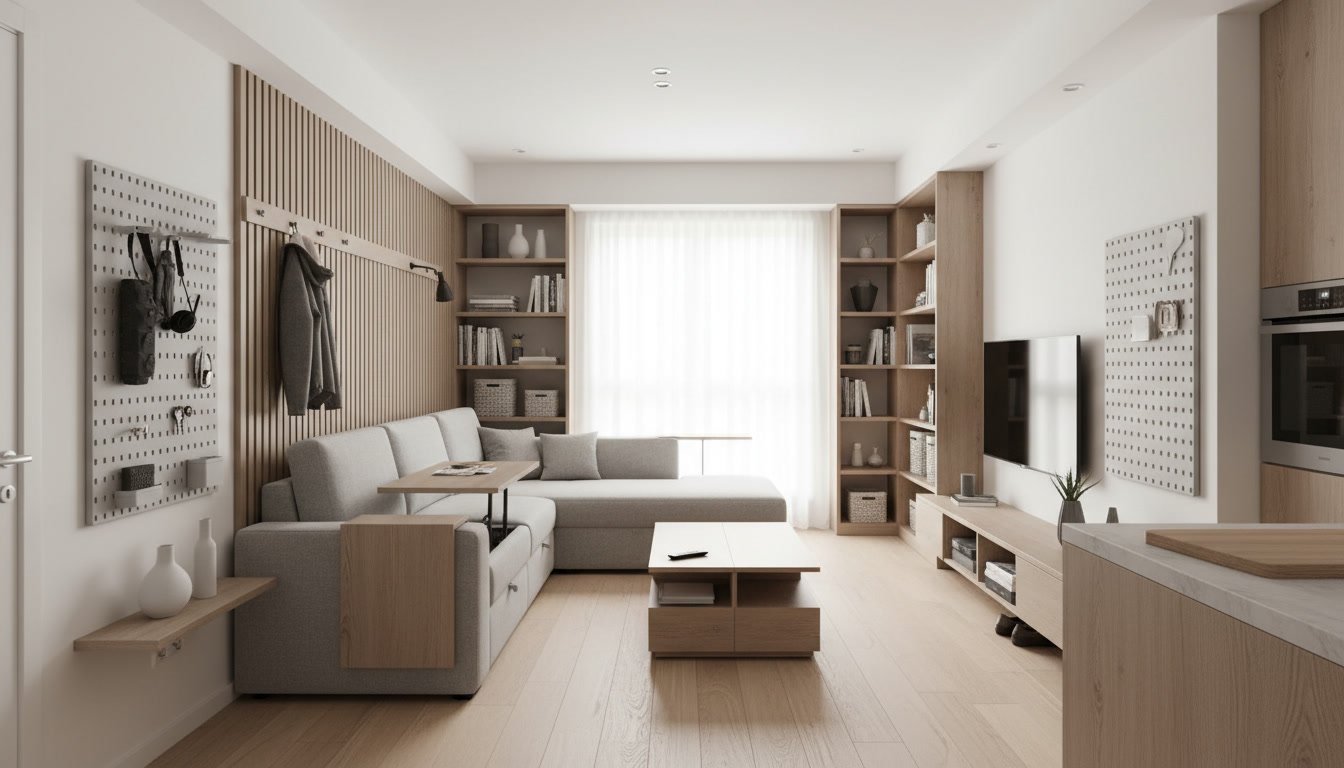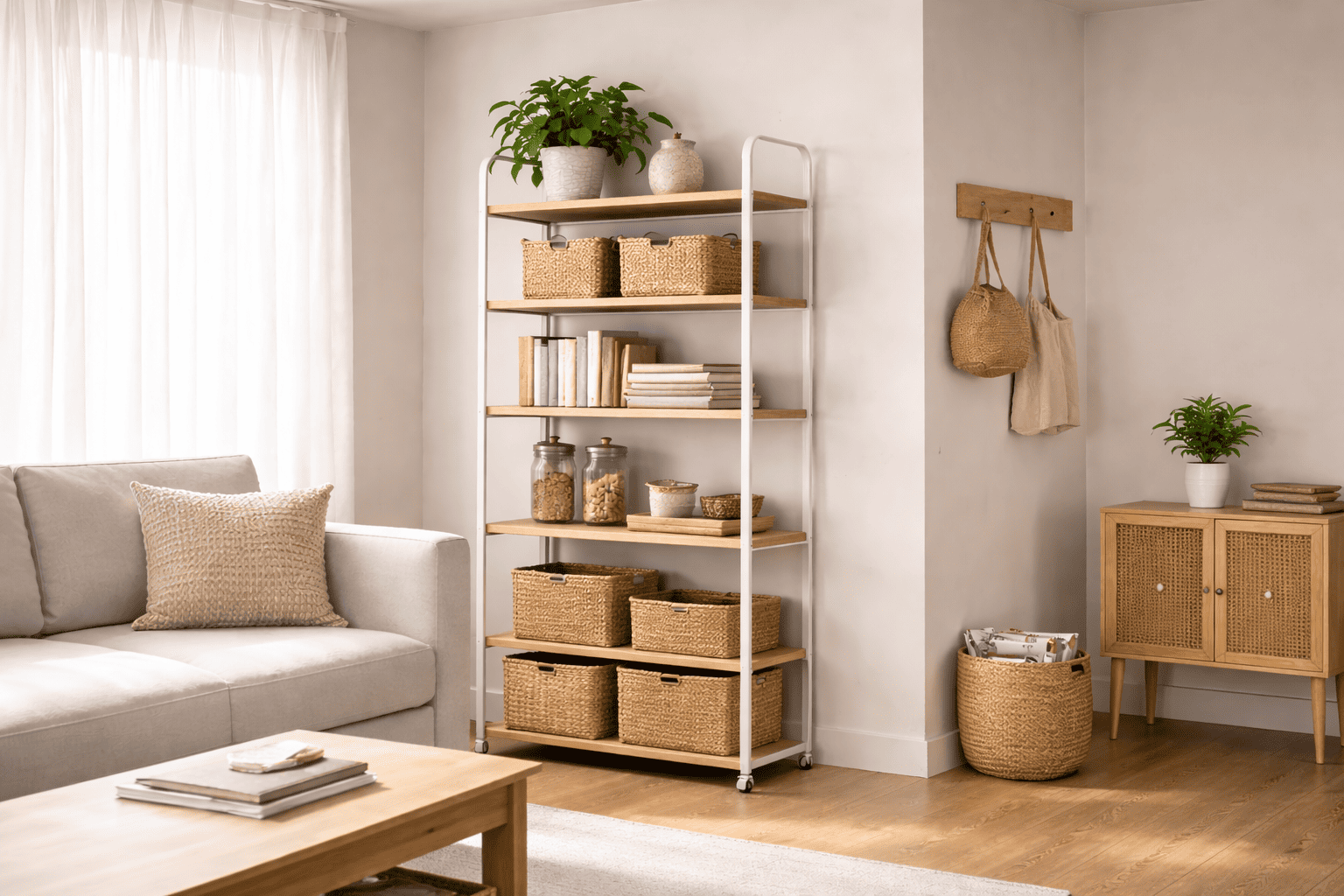

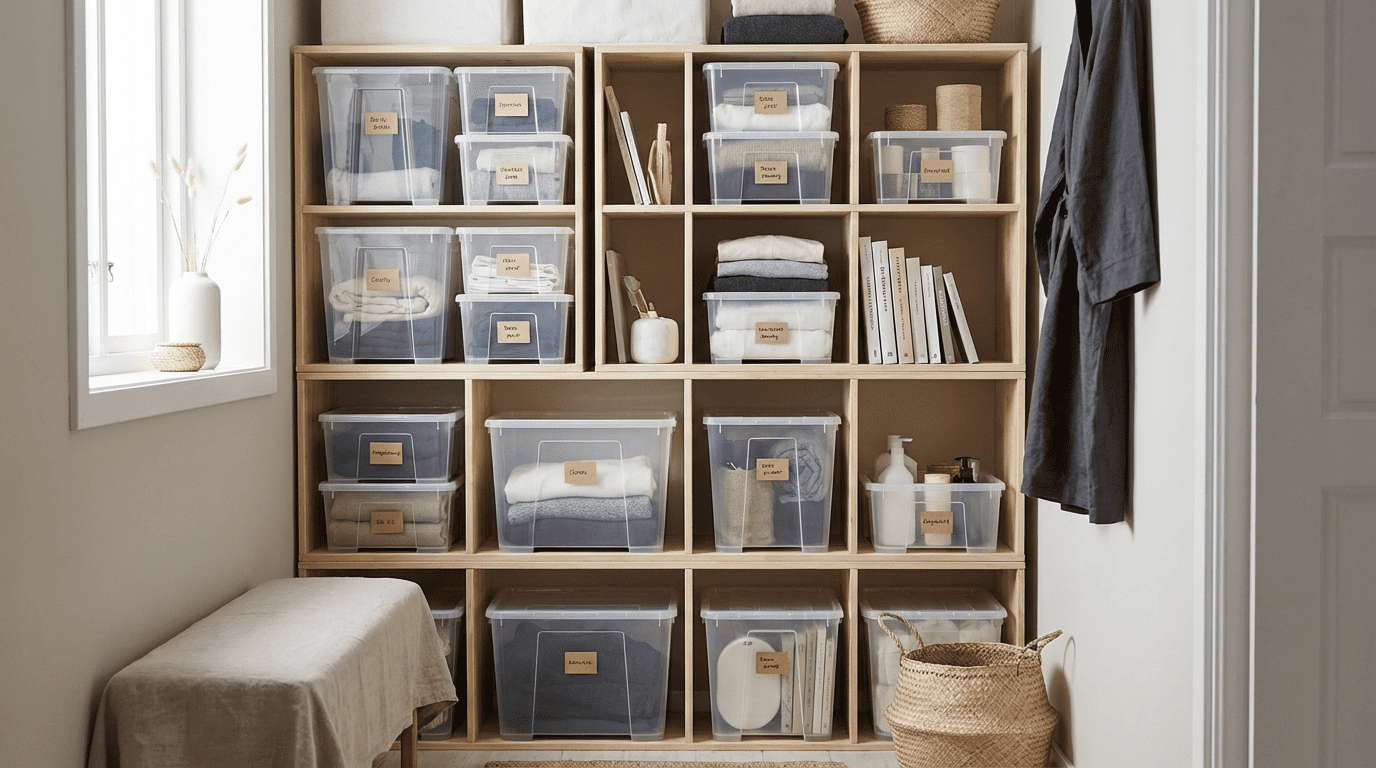
Adding more storage does not automatically reduce clutter. In many homes, additional containers simply create new places for unused items. Long-term organization depends on structure, limits, and accessibility, not storage volume.
The most effective storage systems align with how items are actually used.
Why Storage Systems Often Fail
Storage fails when items are:
- difficult to access
- hidden too deeply
- stored without clear categories
This leads to forgotten belongings, duplicate purchases, and ongoing clutter.
Structured Storage vs. Loose Containers
Loose storage solutions often encourage overfilling. Structured storage systems create natural limits and improve visibility.
Examples of structured storage include:
- drawer-based organizers
- modular shelving with defined sections
- cabinets with internal dividers
These systems help maintain order over time.
Storage Solutions That Support Long-Term Organization
The following storage types are commonly used to reduce clutter sustainably:
- Drawer organizers — keep items categorized
- Modular shelving systems — adapt as needs change
- Clear or labeled containers — reduce forgotten items
Note: oversized storage often leads to over-accumulation.
→ View smart storage solutions on Amazon: https://amzn.to/49qDk4R
Pair Storage With Simple Usage Rules
Storage works best when combined with basic habits:
- store items by frequency of use
- avoid mixing categories
- review stored items periodically
Even well-designed storage fails without clear limits.
Conclusion
Long-term organization is less about storing more and more about storing intentionally. Structured storage systems that support visibility and access help maintain order without constant reorganization, especially in small apartments.