
Small apartment closets have to do more with less. In a tight bedroom, your closet isn’t just for hanging clothes—it’s where you store shoes, bags, laundry, off-season items, and sometimes even household supplies. The right closet organization system turns that cramped, hard-to-use space into a predictable routine: you can see what you own, reach what you wear, and stop wasting valuable floor space on overflow piles.
Best Closet Systems for Tight Apartment Bedrooms
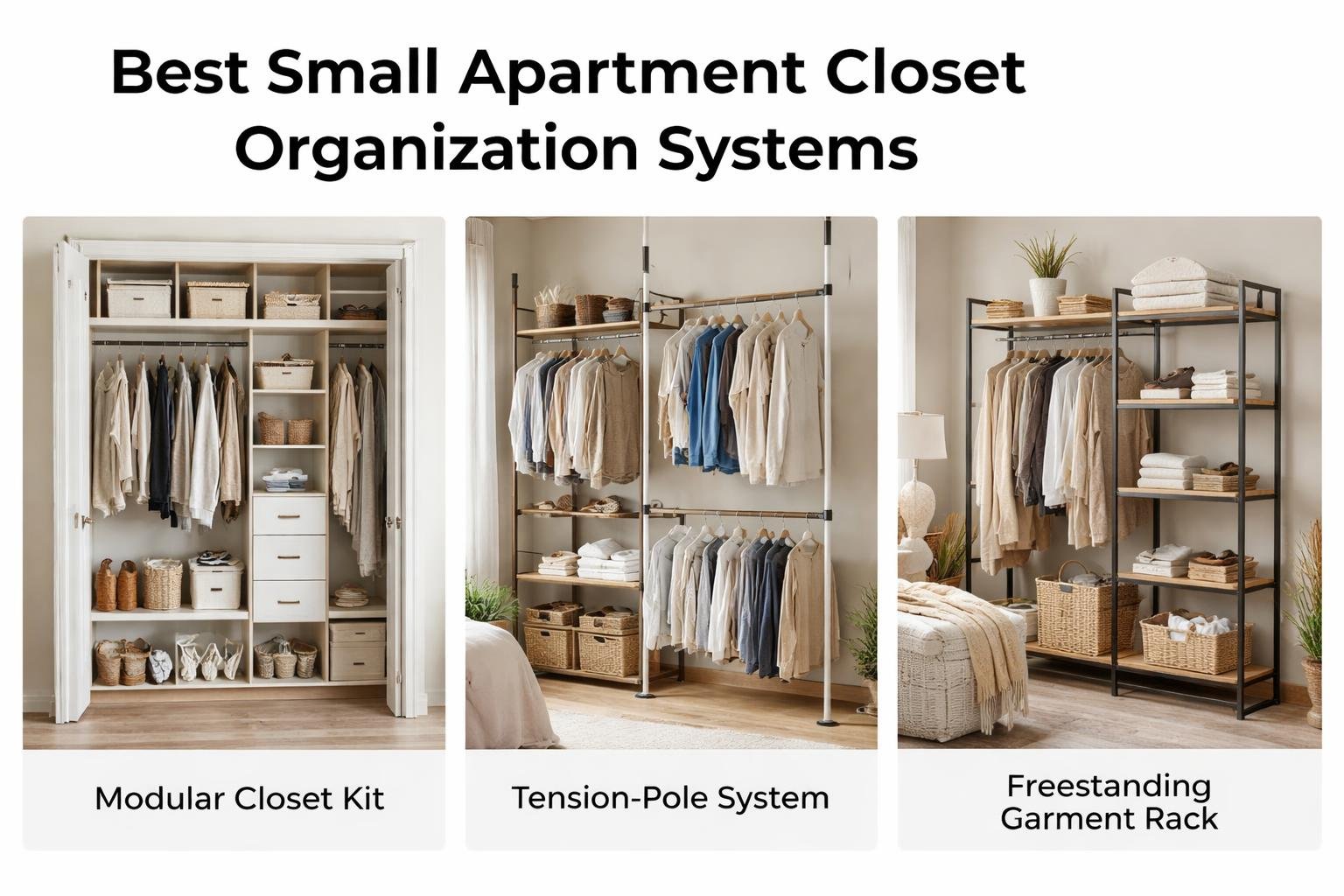
Small apartment closet organization systems generally fall into three winners for tight bedrooms: modular closet kits, tension-pole systems, and freestanding garment racks with shelves. Modular kits (often wall-mounted or rail-based) are great when you want a built-in look and a clean footprint; they typically combine hanging space with adjustable shelves and drawers. Tension systems are renter-friendly because they don’t require drilling, yet they can add a second hanging rod and vertical shelving where your closet currently has “dead air.”
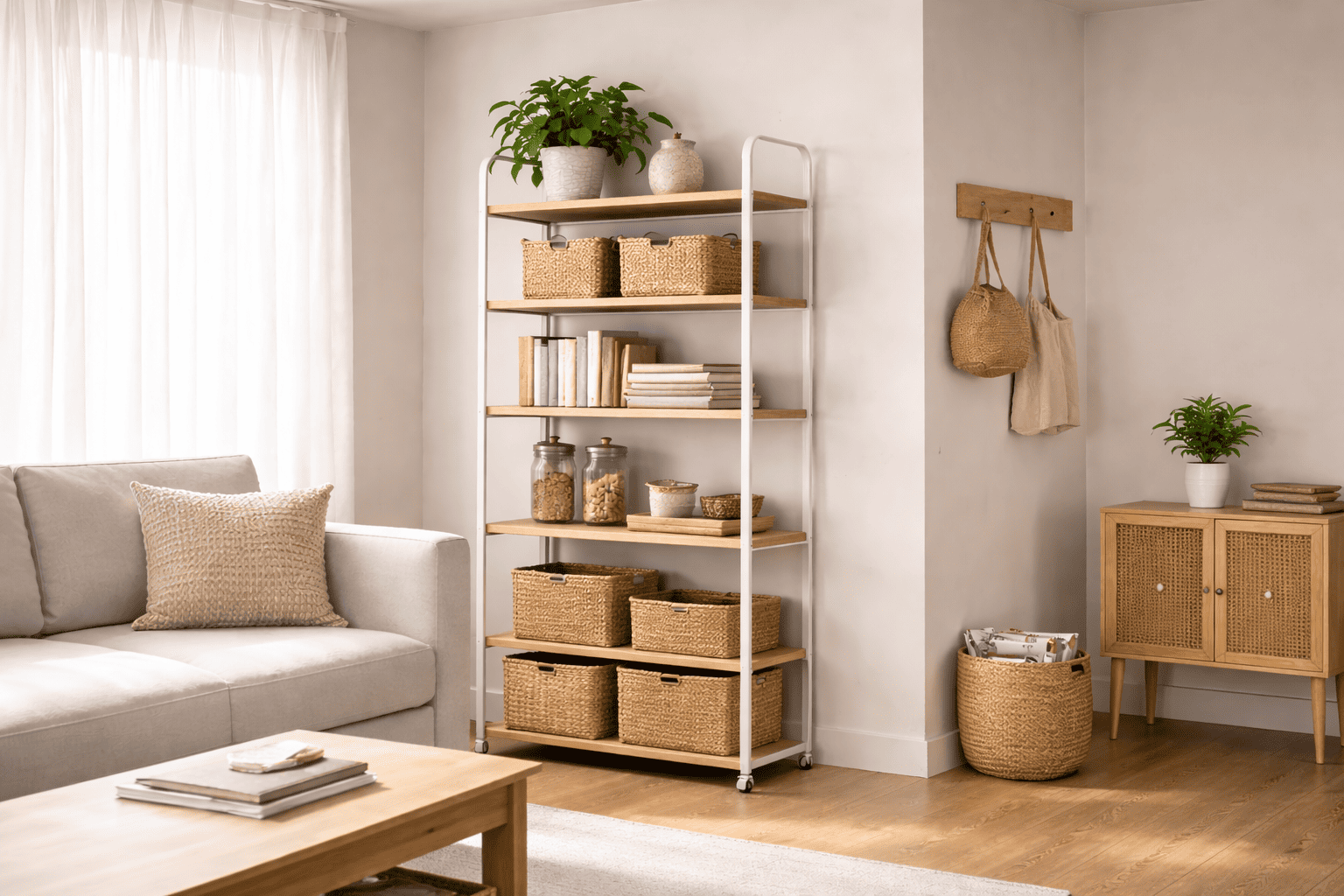
If your closet is shallow, prioritize systems that reduce bulk while increasing vertical storage. Slim-profile shelving towers, stackable bins, and double-hang bars can effectively “create” another closet level without stealing usable depth. For bedrooms with very small closets—or no closet at all—a sturdy freestanding rack with a top shelf and lower shoe tiers can act as a closet replacement, especially when paired with matching hangers and a lidded hamper to keep the visual clutter down.
Pros and cons matter more in small spaces because every inch is noticeable. Wall-mounted modular systems look polished and maximize usable square footage, but they may require landlord approval and careful measuring. Tension systems are fast and reversible, but they can wobble if overloaded or installed on uneven floors. Freestanding racks are flexible and ideal for studio apartments, but they can make a bedroom feel busier unless you choose a cohesive finish (black metal, warm wood tones) and add a fabric cover or uniform storage boxes.
What to Look For: Fit, Features, and Value
Fit is the make-or-break factor for apartment closets. Measure the closet width, depth, and the height from floor to the existing shelf (if any), then compare those numbers to the system’s actual dimensions—not just the “fits most closets” claim. In tight bedrooms, look for shallow shelves (around 12 inches deep) that won’t block hangers, and confirm there’s still clearance for doors (swing or sliding) once baskets or drawers are pulled out.
Features should solve the problems you actually have, not the ones the product photo suggests. If your main issue is wrinkled clothes and crowded hang space, add a second hanging rod and keep long-hang items to one end. If shoes and accessories take over the floor, prioritize angled shoe shelves, cubbies, or pull-out bins that keep pairs visible. For busy households, labeled bins and divided drawers prevent the “everything becomes one pile” effect, while a top shelf is ideal for off-season bedding or luggage in compact homes.
Value comes down to adjustability, durability, and what you won’t have to buy later. A slightly higher-priced system that includes a mix of hanging, shelving, and drawers can be cheaper than cobbling together add-ons that don’t match or fit. Check weight ratings (especially for wire shelves and tension poles), the finish quality (to avoid snagging knits), and whether parts can be reconfigured when you move. Ideal use cases: adjustable systems for renters who relocate often, drawer-heavy setups for people who prefer folded storage, and hybrid rod-plus-shelf systems for anyone splitting a closet with a partner.
Small apartment closet organization systems work because they turn vertical space and awkward dimensions into intentional zones—hang, fold, store, and stash—without expanding the footprint of your bedroom. The best choice is the one that fits your closet precisely, matches how you get dressed day to day, and stays flexible for the next lease. With the right layout and a few smart features, even the tightest apartment closet can feel like it finally has room to breathe.