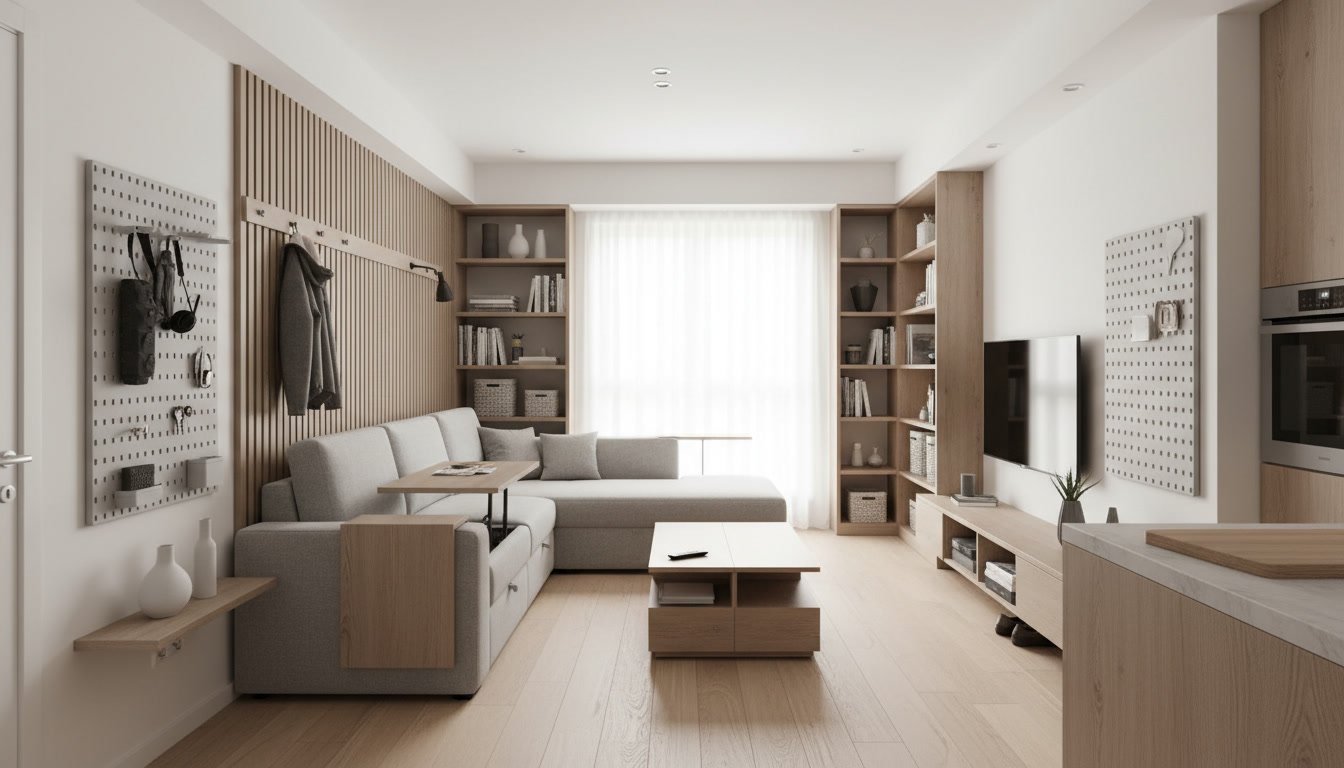

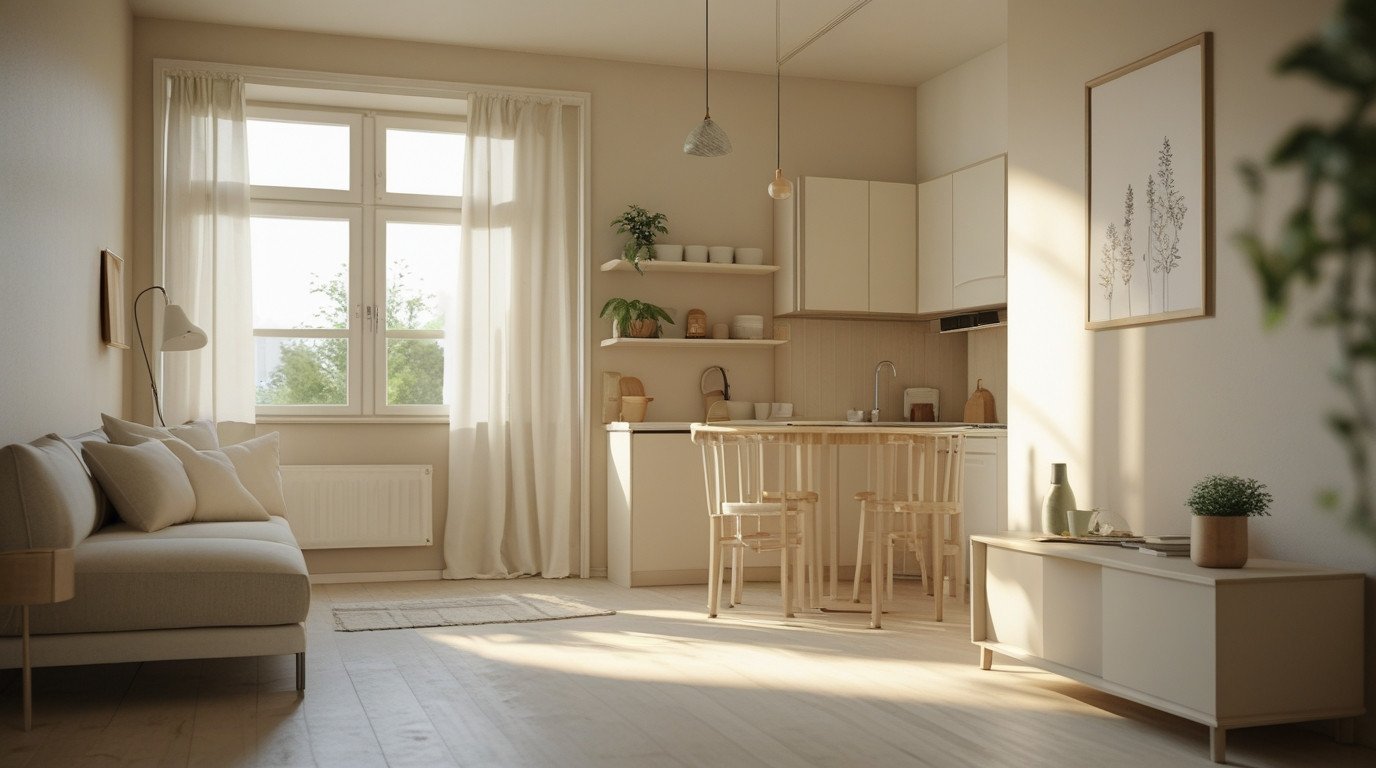
In small apartments, different activities often happen in the same space. Without clear zoning, rooms feel chaotic and uncomfortable. Creating visual zones helps small apartments feel structured without adding walls.
This article explores practical ways to separate zones while keeping spaces open and flexible.
Use Furniture as Visual Boundaries
Furniture placement can define zones without physical barriers.
Examples:
- sofa separating living and sleeping areas
- shelving units dividing work and relaxation zones
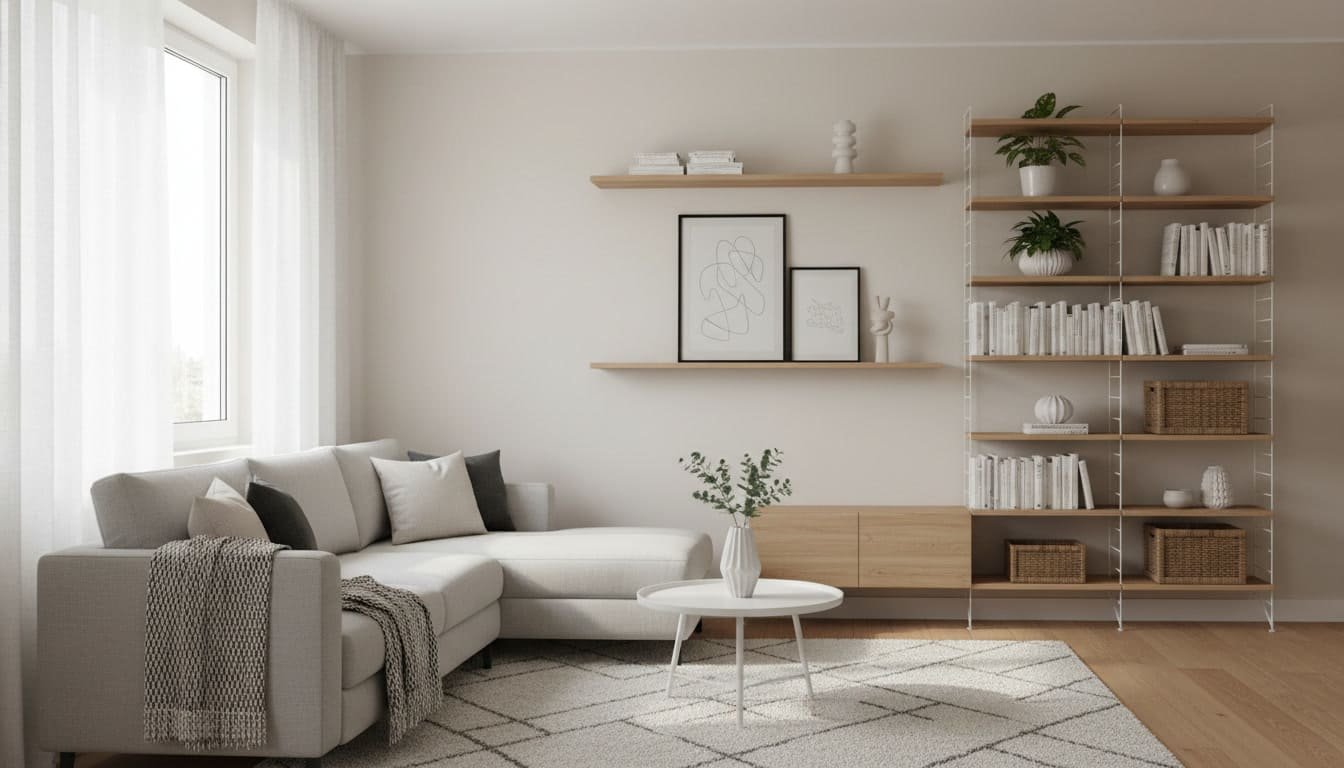
Apply Rugs to Define Functional Areas
Rugs visually anchor zones and create structure in open layouts.
They work well for:
- living areas
- dining zones
- workspaces
Use Lighting to Create Zones
Different lighting sources help distinguish areas within one room.
Examples:
- floor lamps for seating zones
- desk lamps for work areas
Create Height Differences in Layout
Tall furniture and vertical elements visually separate zones.
Examples:
- tall shelving
- vertical storage units
Maintain Visual Continuity
Zones should feel connected, not fragmented. Using consistent colors and materials helps preserve unity.
Conclusion
Zone separation in small apartments is most effective when it is visual rather than structural. Furniture, rugs, lighting, and vertical elements can define functional areas while preserving openness.