
Narrow entryways are one of the most frustrating “dead zones” in small apartments—too tight for bulky furniture, yet busy enough to collect shoes, keys, bags, and mail. The goal isn’t to cram in more stuff; it’s to use vertical space and slim footprints so your front door area stays functional without feeling cramped. The best narrow entryway storage solutions combine drop-zone convenience (so you actually use them) with hidden or organized storage (so clutter doesn’t spread into your living space).
Slim Console Tables That Double as Shoe Storage
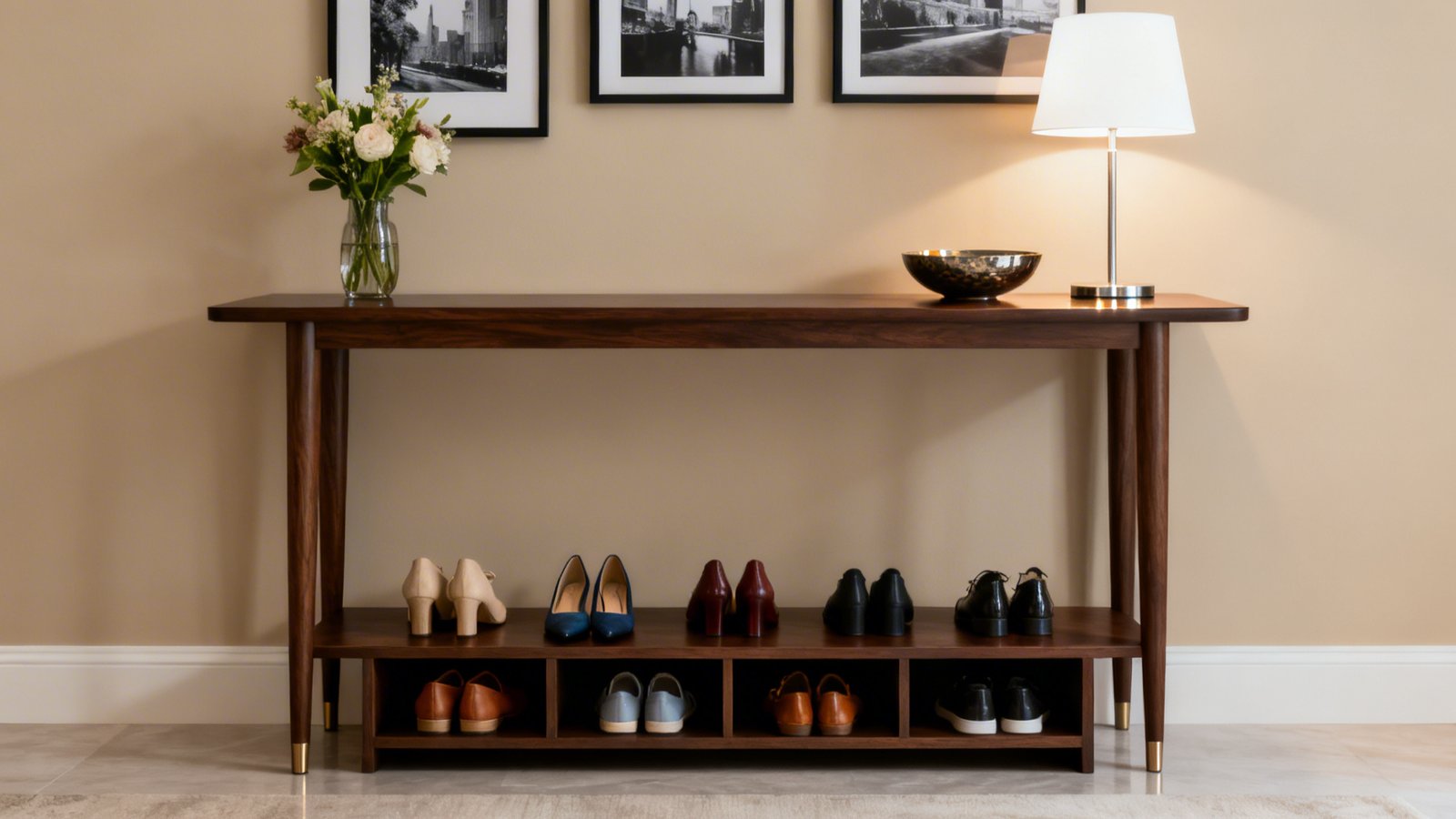
A slim console table with integrated shoe storage solves two common small-space problems at once: you need a landing spot for daily items, and you need a controlled place for shoes that doesn’t block the walkway. Look for “narrow” or “skinny” consoles in the 8–12 inch depth range—deep enough for a tray and small basket, but not so deep that it steals clearance from the door swing or traffic path. Styles with lower shelves, cubbies, or tilt-out compartments keep footwear off the floor, which instantly makes a tight entryway feel cleaner.
When buying, measure for real life—not just the wall length. Check your clear walking path (many small homes need at least ~30 inches of passage) and confirm the console won’t collide with baseboards, radiators, or door trim. Practical features matter more than looks here: a raised lip to keep items from sliding off, adjustable shelves for boots vs. sneakers, and wipeable finishes that handle wet shoes. If you’re renting, prioritize lighter pieces that are easy to move and assemble, and avoid designs that require wall anchoring unless the manufacturer includes anti-tip hardware and you’re allowed to use it.
Pros: adds a usable surface plus hidden organization; keeps shoes contained; can visually “finish” an entry wall with a mirror above it. Cons: some “slim” consoles are still too deep once you add baskets; tilt-out shoe cabinets often limit shoe size and may not fit bulky boots. Ideal use cases include studio apartments where the entry opens into the living room, shared households that need assigned shoe space, and anyone who wants a tidy drop zone for keys, sunglasses, and pet leashes without adding a full closet system.
Wall Hooks and Floating Shelves for Tight Entryways
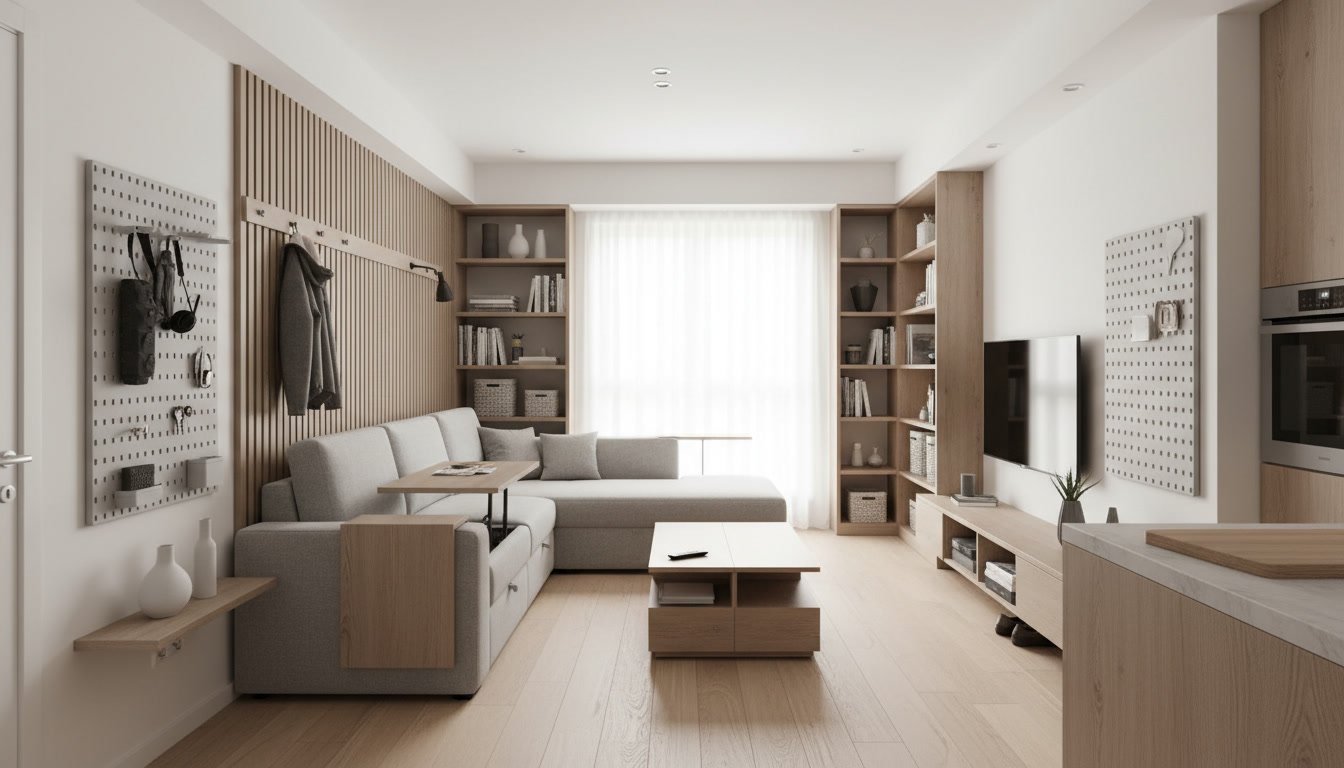
When floor space is the bottleneck, wall-mounted storage is often the highest-impact upgrade. A row of sturdy wall hooks handles the everyday items that otherwise end up on chairs—bags, jackets, umbrellas, and dog leashes—while floating shelves create a compact “command center” for wallets, keys, and mail. In a narrow entryway, this approach keeps the floor open for movement and reduces the chance of tripping over piles of stuff near the door.
Buying advice starts with capacity and mounting method. For hooks, look for individual hook weight ratings (especially if you hang heavy backpacks) and choose materials that won’t bend over time—solid metal beats thin wire. For floating shelves, check depth (4–8 inches is usually enough for a key tray and small catchall) and prefer designs with a small front lip or paired baskets so items don’t get knocked off in a tight pass-through. Renters should consider over-the-door hook racks, adhesive hooks rated for the correct wall surface, or shelving systems that use minimal holes—just be realistic about weight limits and follow surface prep instructions closely.
Pros: maximizes vertical space; keeps entryways clear; easy to customize and expand as your needs change. Cons: poor mounting can damage walls or fail under load; open storage can look cluttered if you don’t use bins or trays; frequent coat use may require more hooks than you think. Ideal use cases include ultra-narrow hall entries, apartments with no coat closet, households that rotate seasonal gear, and small homes where a single floating shelf plus a hook rail can replace a bulky hall tree.
The best narrow entryway storage solutions for small spaces focus on two things: keeping the walkway open and creating an easy routine for daily items. Slim console tables with shoe storage work well when you need both a surface and a footwear “home,” while wall hooks and floating shelves shine when every inch of floor space counts. Measure carefully, buy for your real habits (shoes, bags, mail, or all three), and you’ll turn even the tightest entry into a functional, uncluttered landing zone.