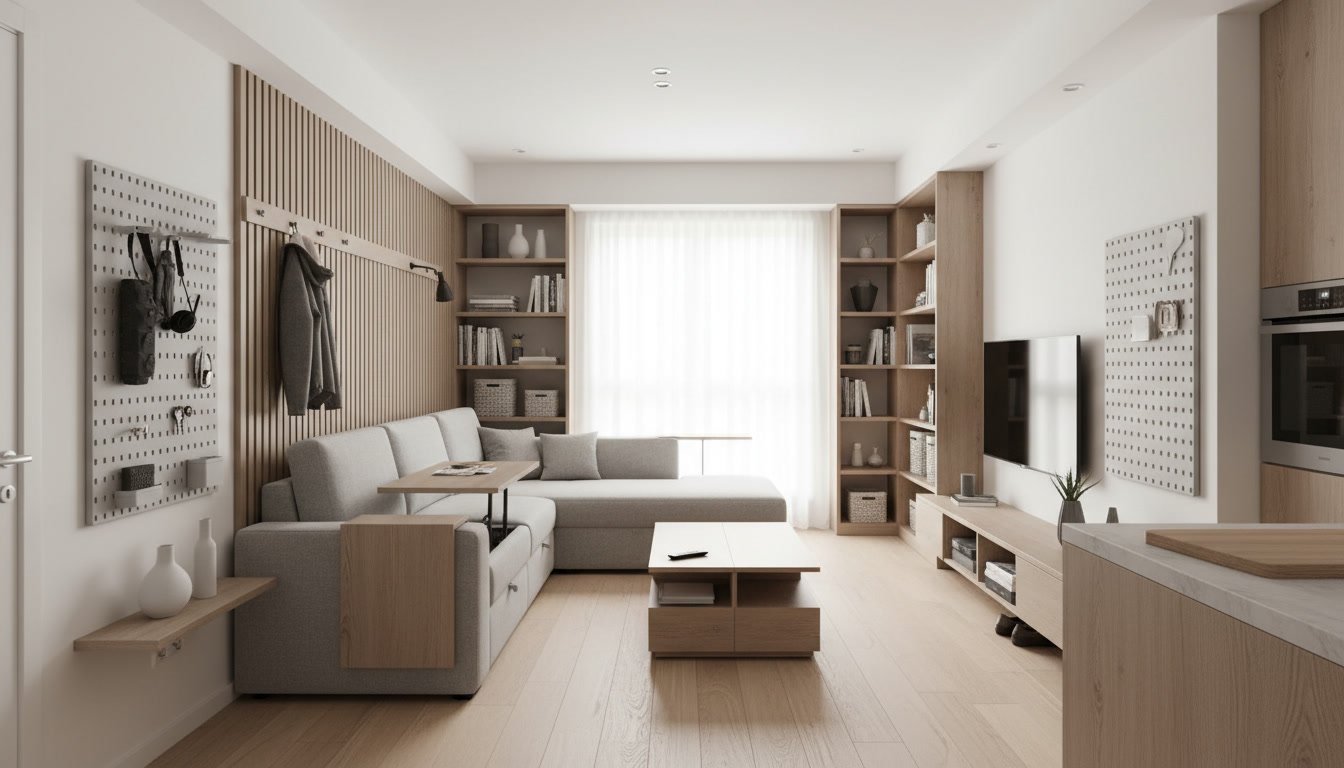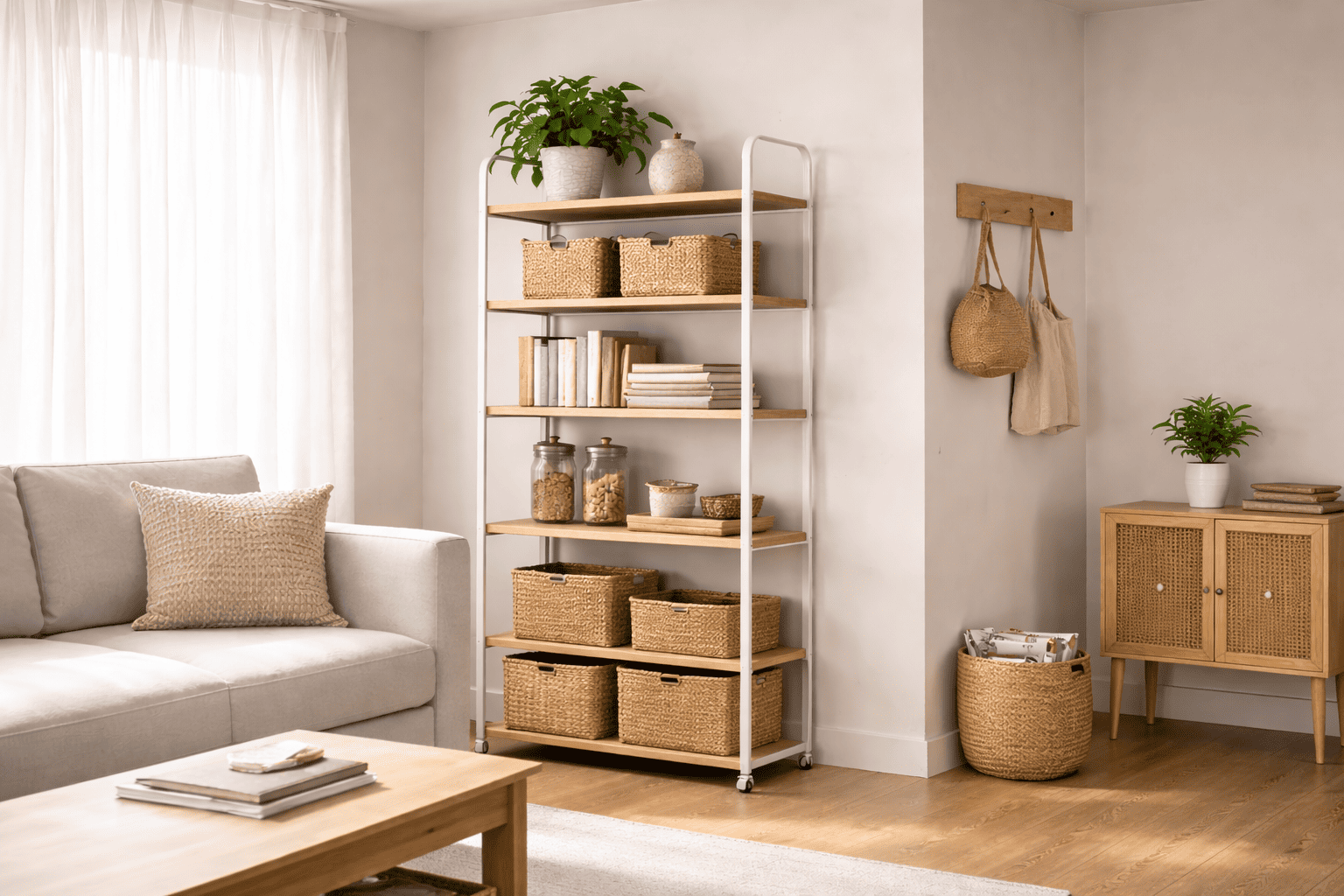

Small apartments often come with a “closet lottery” problem—some have generous storage, while others offer a single rod and a shelf (or nothing at all). If you don’t have built-ins, the good news is you’re not stuck with piles on chairs or a permanently open clothing rack. The best wardrobe alternatives add hanging space, drawers, and shoe storage without overwhelming your floor plan.
The key is choosing storage that matches how you actually dress and do laundry. If you hang most items, you need a stable rail and enough vertical clearance. If you fold more than you hang, prioritize drawers, bins, and shelves. And if you’re a renter, mobility and non-damaging installation matter just as much as capacity.
Below are two small-space categories that work especially well without built-ins: freestanding wardrobes for tight layouts and renter-friendly modular closet systems you can take with you.
Freestanding Wardrobes That Fit Tight Floor Plans
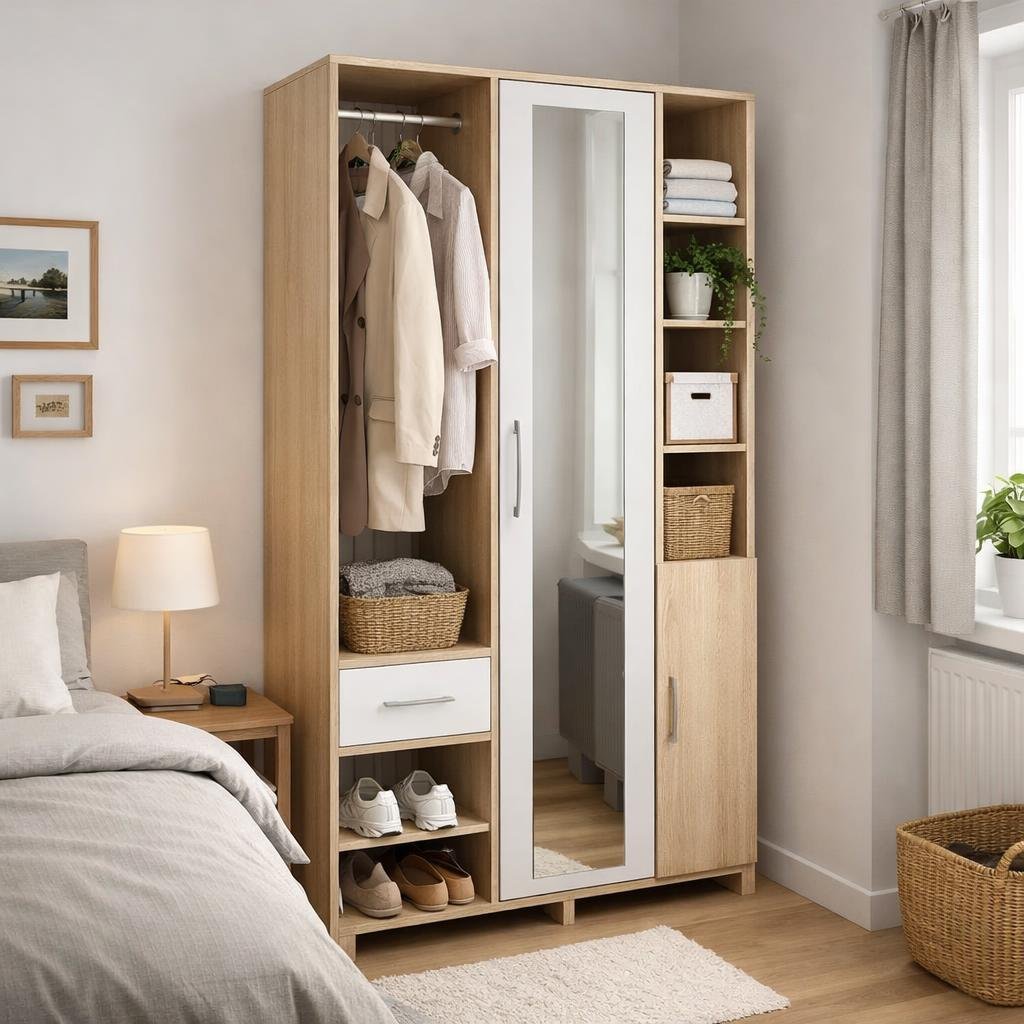
A freestanding wardrobe is the closest substitute for a real closet, especially in studios and older apartments with limited storage. The best models combine a hanging rail with shelving or drawers, so you get an “all-in-one” footprint instead of scattering storage across the room. Look for tall, narrow designs that use vertical space efficiently—height is your friend when floor area is limited.
When buying, measure more than just width. Check the interior hanging depth (many compact wardrobes are shallower than a standard closet), and confirm it fits your hangers and longer items like coats or dresses. Also pay attention to door style: sliding doors save clearance space, while hinged doors can be easier to access in tight corners but need swing room.
Pros: closet-like look, dust protection with doors, mixed storage (hang + fold) in one unit. Cons: heavier to move, can feel bulky if oversized, some budget options have flimsy backs or weak rails. Ideal use cases include bedrooms without closets, studio apartments where you want clothes hidden, and entryways where you need a coat-and-shoe station that looks intentional.
Buying Tips for Stability and Small-Space Comfort
In a small apartment, wobble is a dealbreaker. Prioritize wardrobes with solid frames (metal or thick engineered wood), a reinforced hanging bar, and a back panel that reduces racking. If you live in an older building with uneven floors, adjustable feet can prevent rocking and make doors align properly.
Ventilation is another real-life factor. Fully enclosed wardrobes can trap odors if you pack them tightly, so a model with a little airflow (or the ability to add moisture absorbers) helps. If you’re storing off-season items inside, plan for bins on upper shelves so you’re not digging through stacks every time you need a T-shirt.
Finally, choose finishes that blend with the room so the wardrobe reads like furniture, not a temporary fix. In compact homes, visual clutter feels like physical clutter. A simple front, consistent color, and minimal hardware often look calmer than overly ornate styles.
Best Layout Matches: Corners, Narrow Walls, and “Dead Zones”
Freestanding wardrobes shine when you place them where built-ins can’t go—like a short wall between a window and a door, or the awkward zone beside a bed. A narrow wardrobe can replace a bulky dresser and free up space for a small desk or nightstand. If you have high ceilings, tall units reduce the need for extra shelving elsewhere.
For ultra-tight floor plans, consider wardrobes that integrate mirrors or have a top shelf for luggage and baskets. Mirrors reduce the need for a separate full-length mirror and can make the room feel larger. Top storage is great for items you don’t need daily: spare bedding, bags, or seasonal shoes.
If you’re deciding between a wardrobe and a clothing rack, ask yourself whether you want “out of sight” storage. A wardrobe is usually the better choice if your apartment is also your living room and you want it to feel less like a backstage area.
Renter-Friendly Closet Systems You Can Move Easily
Modular closet systems are designed for people who can’t (or don’t want to) build permanent storage. These systems typically use tension poles, freestanding frames, or adjustable shelving towers to create hanging space and cubbies where no closet exists. They’re especially useful if your needs change—new roommate, new job wardrobe, or a move to a different layout.
Practical buying advice starts with your wall and ceiling conditions. Tension-pole systems require a solid ceiling surface and enough height range; freestanding modular frames avoid ceiling pressure but need floor space and good stability. If you’re organizing a true “no-closet” room, look for a mix of double-hang (shirts/pants) and a longer hanging section (coats/dresses) so you’re not stuck folding everything.
Pros: adjustable, easy to reconfigure, renter-safe, often lighter and easier to move than wardrobes. Cons: more visual exposure (unless paired with curtains), can look messy without bins, some systems have lower weight limits per shelf or bar. Ideal use cases include bedrooms with minimal storage, walk-in alcoves that need structure, and shared apartments where you may need to compress your footprint.
What to Look for: Adjustability, Weight Limits, and Accessories
Adjustability is the whole point—so confirm the system can change both height and spacing. Many people buy a system that fits perfectly in one apartment but becomes awkward after a move. Shelves that can shift up or down and rails that can be added or removed make it far more future-proof.
Weight limits matter more than most shoppers expect. A bar packed with heavy coats can bend if it’s not rated well, and wire shelves can sag under stacks of denim. If you’re planning to store books, bags, or appliances on lower shelves (common in micro-apartments), choose sturdier materials and thicker supports.
Accessories are what turn a basic frame into a closet substitute. Add-ons like fabric drawers, shoe shelves, belt hooks, and labeled bins help you maintain order without buying extra furniture. If the system is open, matching bins and a consistent color palette make it feel intentional and less cluttered.
Making Open Storage Look Clean (and Feel Less Crowded)
Open closet systems can make a room feel busy if everything is visible. The easiest fix is to standardize containers: use a few identical bins for socks, gym gear, and accessories. This “hides” visual noise while keeping items within reach—perfect for small spaces where you can’t afford wasted steps.
Curtains are another renter-friendly upgrade. A ceiling-mounted track may not be allowed, but tension rods or freestanding frames can support a simple curtain panel to conceal the closet system. This is a practical compromise: you get the flexibility of modular storage with the calmer look of closed cabinetry.
Also consider zoning by frequency of use. Put everyday items at arm level, occasional items higher, and heavy items low. In tight apartments, a well-zoned open system reduces the time you spend digging and reshuffling—small efficiencies that add up when your “closet” is also part of your bedroom.
You don’t need built-ins to have a functional, good-looking wardrobe setup in a small apartment. Freestanding wardrobes work best when you want a closet-like feel and the ability to hide everything behind doors. Renter-friendly modular closet systems win when flexibility, easy moving, and customizable layout matter most.
Before you buy, measure carefully, prioritize stability and weight ratings, and think about whether you want your storage to be open or concealed. The right choice should reduce clutter, simplify your routine, and fit your floor plan without making the room feel smaller.