
Many people try to improve small apartments by adding furniture.
In reality, comfort often increases when furniture is reduced or repositioned, not added.
This article explores how small apartments can become more functional and comfortable by rethinking layout, roles, and priorities — using what’s already there.
1. When Furniture Works Against Comfort
Too much furniture causes:
- constant navigation stress
- visual fatigue
- reduced flexibility
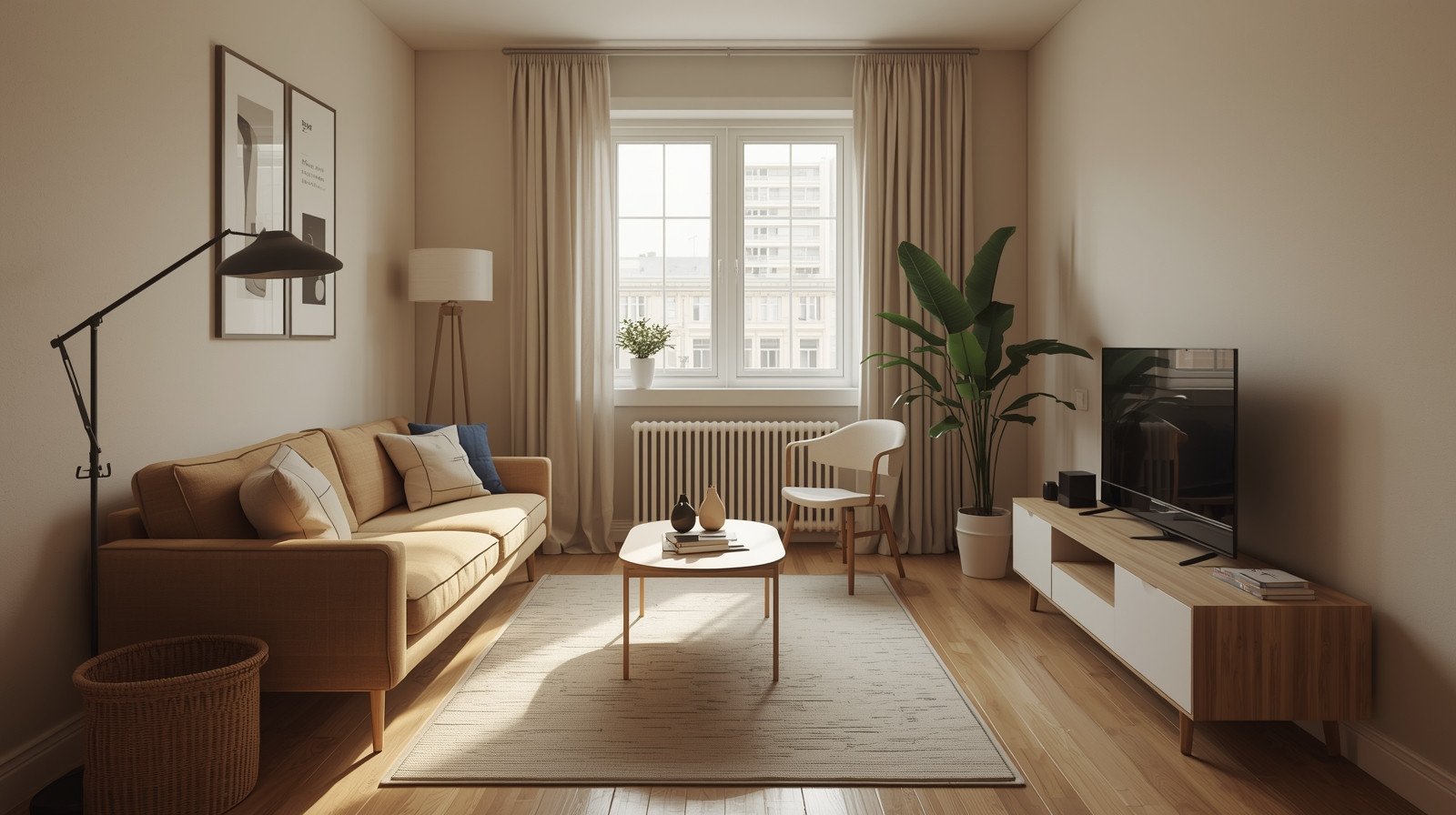
A room with fewer, better-placed items almost always feels larger.
2. Reassigning Furniture Roles
In small homes, furniture must earn its place.
Examples:
- desk doubles as dining table
- storage unit becomes room divider
- bench replaces chair + storage
Functional reassignment table
| Item | Original Role | New Role |
|---|---|---|
| Desk | Work only | Work + dining |
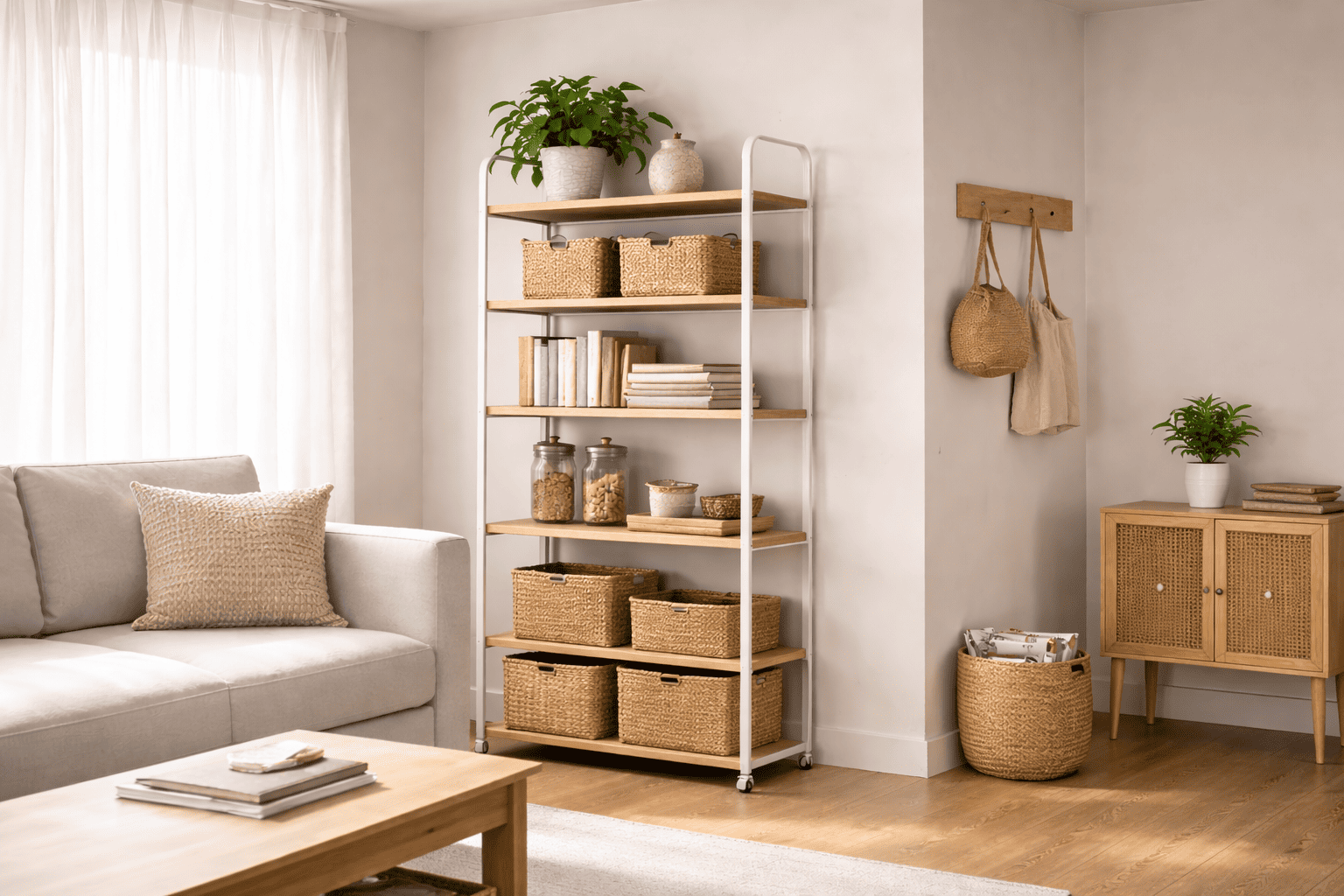
| Shelf | Storage | Zoning |
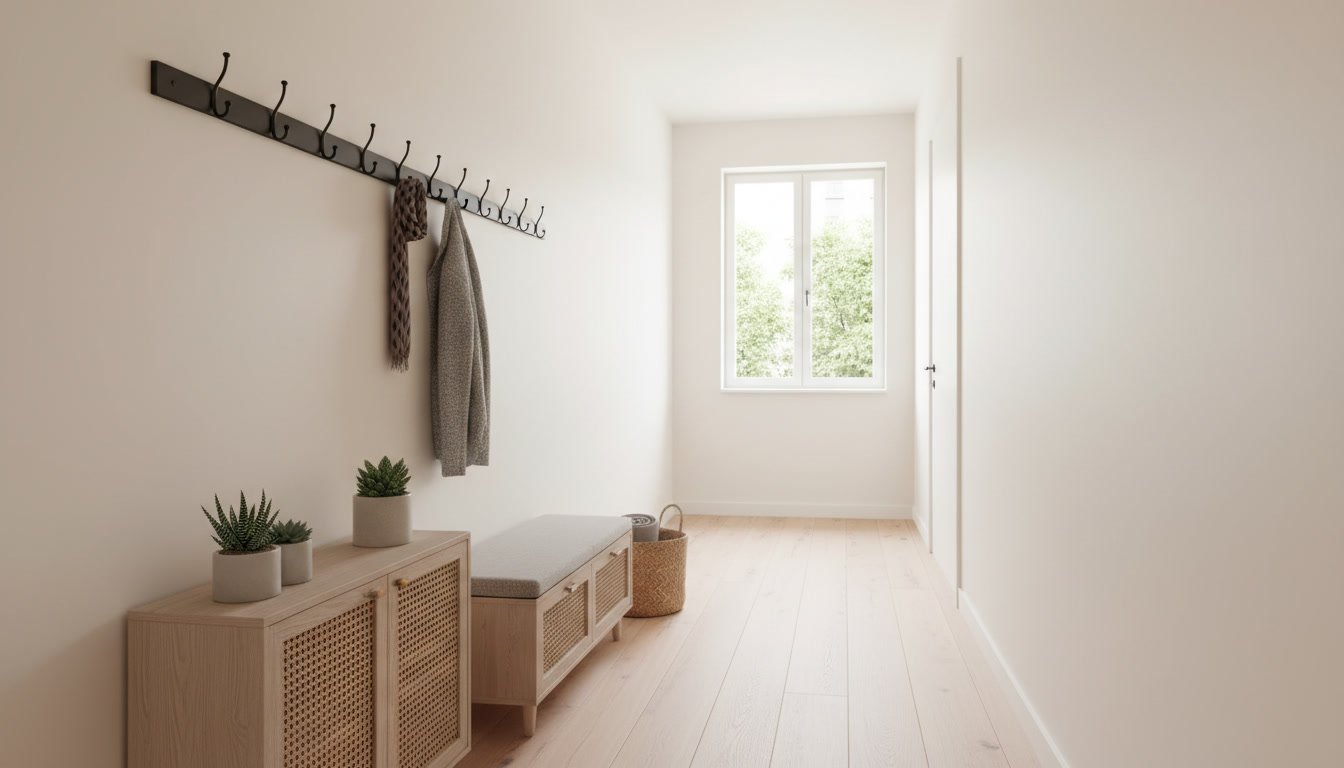
| Bench | Seating | Seating + storage |
3. Improving Comfort Through Layout, Not Purchases
Simple changes that matter:
- rotate furniture to open pathways
- pull items away from walls
- reduce duplicate surfaces
These adjustments often increase perceived space by 20–30%.
4. Visual Calm Equals Physical Comfort
Visual clutter affects comfort as much as physical clutter.
Key principles:
- fewer colors
- fewer visible objects
- consistent materials
Comfort increases when the eye rests.
Conclusion
Small apartments become comfortable not through accumulation, but through clarity.
By reducing excess furniture and redefining existing pieces, small homes can support everyday life without feeling restrictive.