
Most storage solutions solve clutter temporarily.
Within months, the mess returns — not because of lack of storage, but because of lack of structure.
This article explains why storage systems fail long-term and what actually keeps small apartments organized.
1. Unlimited Storage Encourages Accumulation
Storage without limits invites overfilling.
Problems:
- forgotten items
- duplicated belongings
- hidden clutter
Better rule
Each category needs a fixed boundary.
2. Accessibility Determines Success
Storage that is hard to access is rarely maintained.
Comparison:
| Storage Type | Long-Term Success |
|---|---|
| Loose boxes | Low |
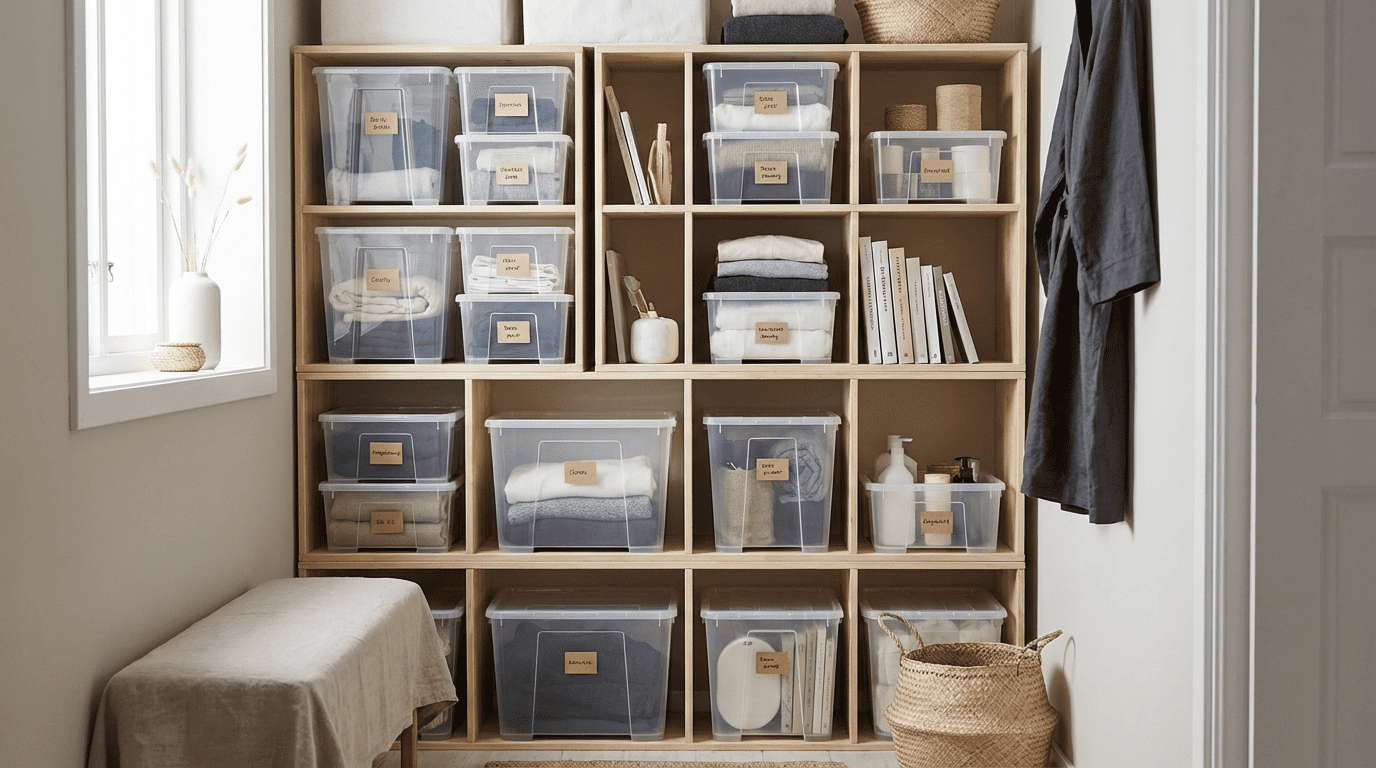
| Labeled containers | Medium |
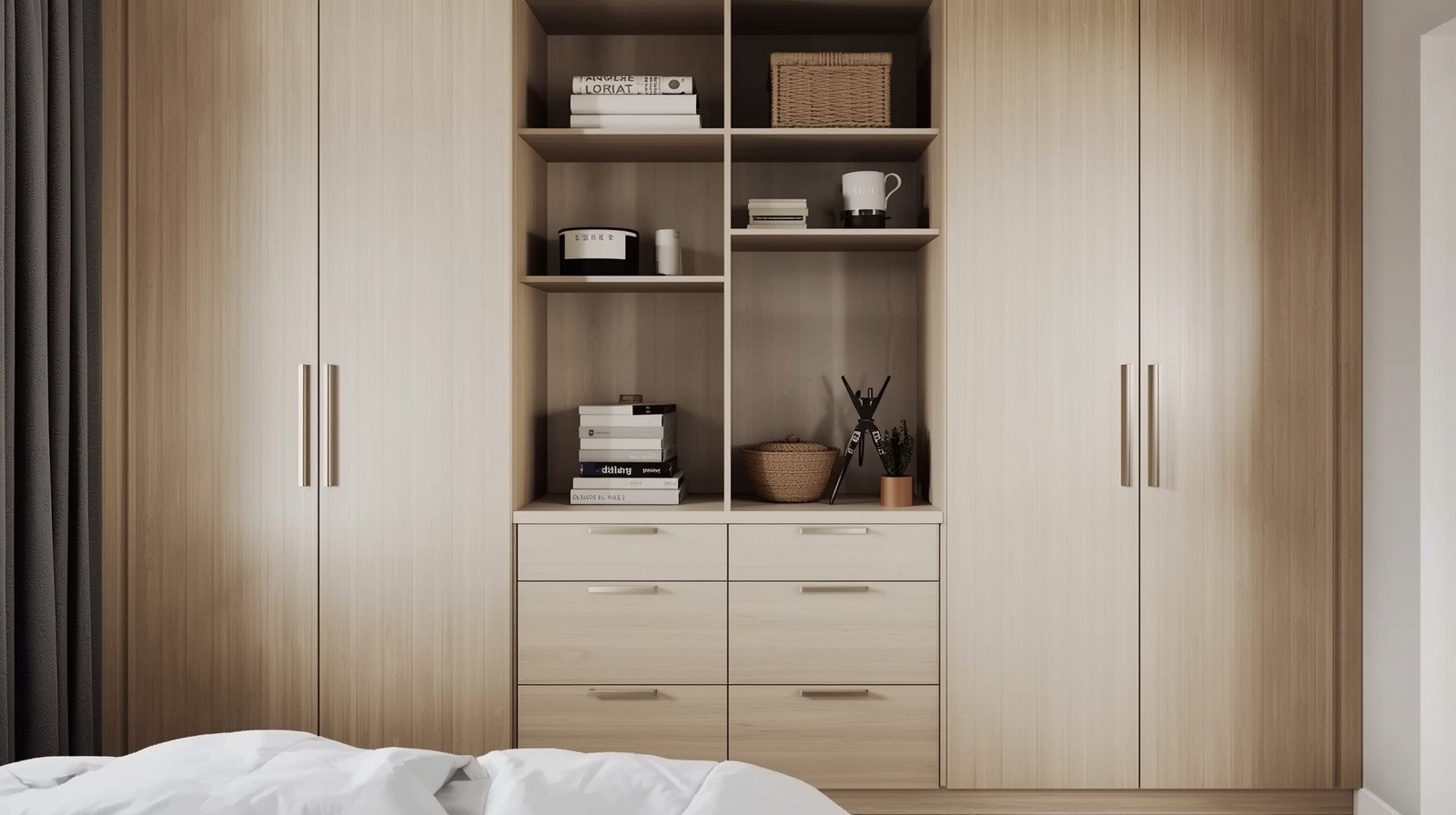
| Fixed compartments | High |
3. Visibility Control Matters
Visible storage increases mental load.
Effective systems:
- hide rarely used items
- expose daily essentials
- separate categories clearly
4. Storage Should Follow Behavior
The most effective storage reflects how people actually live.
Examples:
- entry storage near door
- bedroom storage near bed
- cleaning items near usage area
Conclusion
Long-term organization depends less on how much you store and more on how storage controls behavior.
Smart storage systems work because they introduce structure, limits, and accessibility — not because they add capacity.