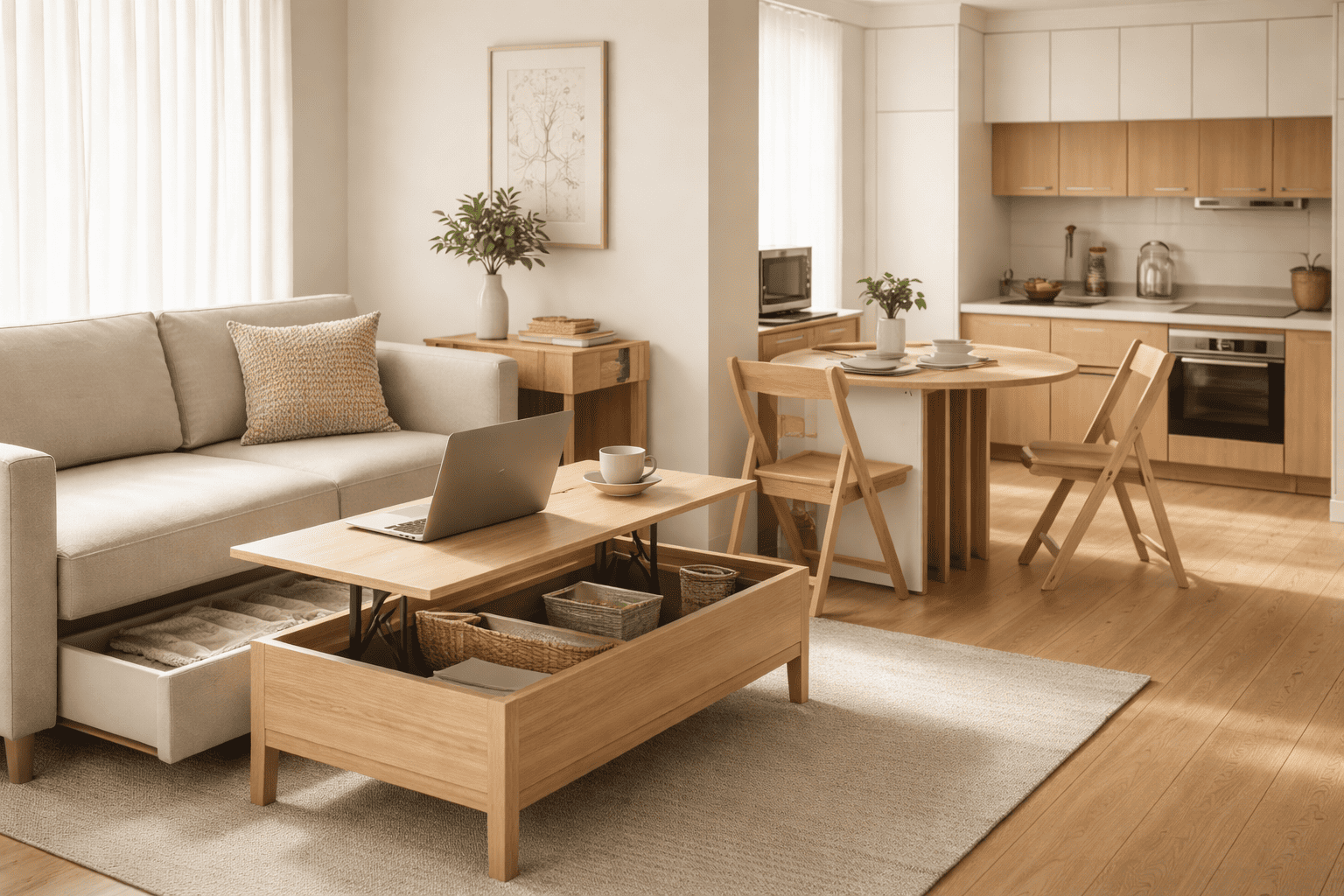

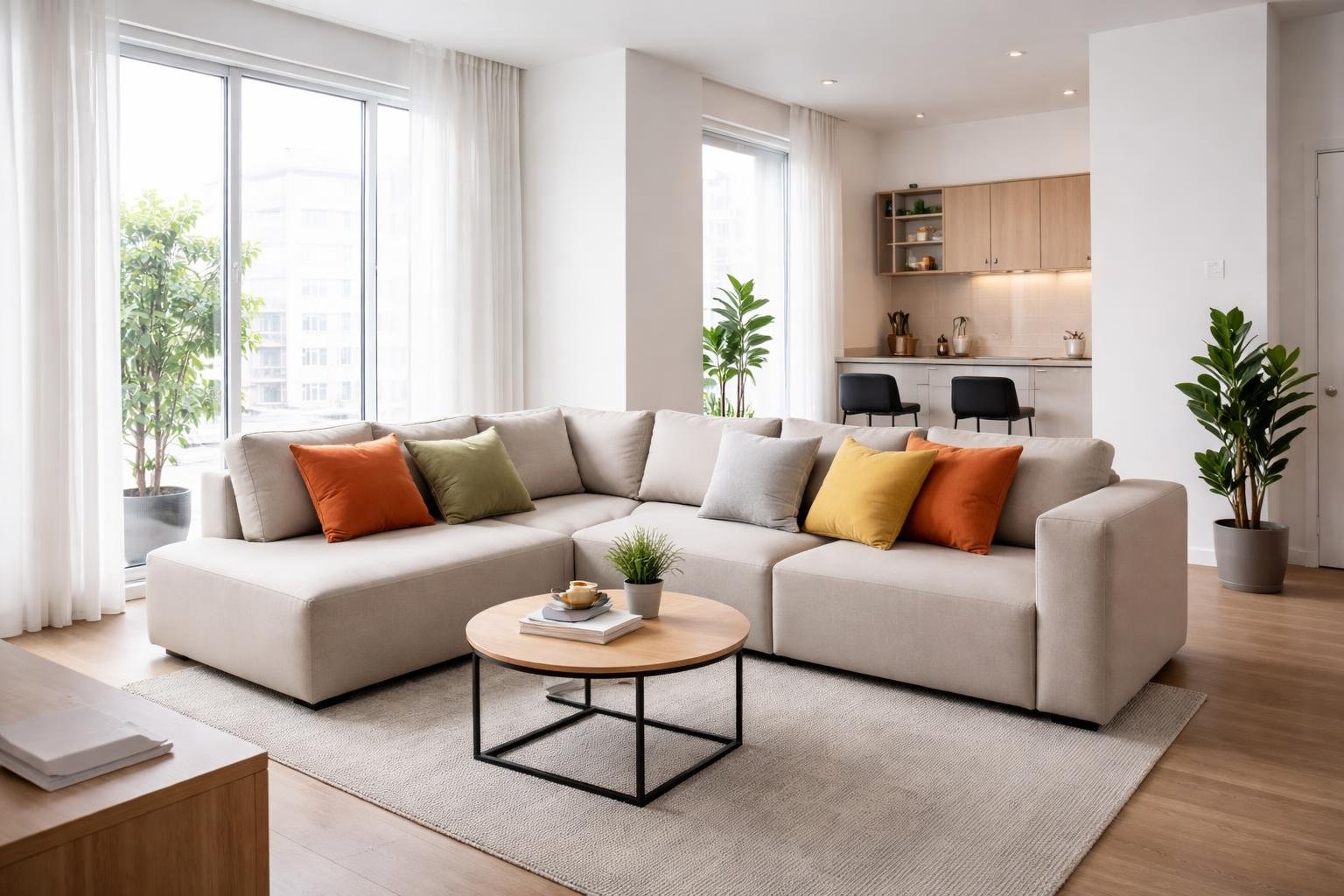
Living in a studio apartment means every piece of furniture has to earn its footprint. A modular sofa is one of the few buys that can genuinely change how your space works day to day—lounging after work, hosting a friend, or carving out a “living room” zone without walls. The best modular sofas for studio apartments aren’t just smaller; they’re flexible, easy to move, and designed around real urban constraints like narrow doorways, limited storage, and multi-use rooms. This guide breaks down how modular sectionals help you save space and which features matter most before you click “add to cart.”
How Modular Sofas Save Space in Tiny Studios
Modular sofas save space by letting you build only what you need, then reconfigure it when your routine changes. Instead of committing to a full sectional that dominates the room, you can start with a loveseat-sized setup and add a chaise or extra seat later. That’s especially useful for renters who may move often and don’t want to repurchase furniture each time the layout changes.
They also solve a common studio problem: creating zones without adding walls. A low-profile modular sectional can act as a soft divider between your bed area and your “living” area, making the room feel more organized without blocking light. If you choose armless or movable modules, you can open the layout during the day and tighten it back up at night when you need floor space.
Another space-saving win is moveability and access. Most modular pieces ship in smaller boxes and can be carried through tight hallways and elevators, unlike bulky traditional sofas. For small spaces, that matters as much as the finished dimensions—because a sofa that can’t make the turn into your apartment isn’t a deal, it’s a headache.
Buy on Amazon:
👉 https://amzn.to/4c2O0Yu
Best Modular Sofa Configurations for Studio Layouts
For most studios, the most functional starting point is a 2–3 seat modular with a reversible chaise. A chaise gives you lounge space without needing an ottoman, and “reversible” means you can switch left/right depending on where outlets, radiators, or windows end up. This setup works well in long, narrow studios where you want seating along one wall and a clear walkway.
If you host occasionally, look for a corner + armless seat configuration. It forms an L-shape for conversation but can split into two pieces when you need to open the floor for yoga, a work project, or guests. The armless module is especially handy because it can double as a perch near a desk or become an end piece with an added arm later.
For micro-studios, consider a single deep seat + ottoman module or two armless seats you can push together. This “sofa-by-day, daybed-by-night” approach is a practical compromise when you want something more lounge-friendly than a loveseat but don’t have the footprint for a full sectional. It’s also ideal if you’re pairing the sofa with a compact coffee table or nesting tables you can tuck away.
Pros and Cons of Modular Sofas in Small Apartments
Pros: Modularity is excellent for renters because it reduces risk—you can adapt the layout, replace one damaged module instead of the whole sofa, and transport pieces more easily. Many modular lines also offer add-ons like storage ottomans or extra seats, which helps you upgrade without buying a completely new couch. For small-space living, that “buy once, evolve later” value is real.
Cons: The seams between modules can shift over time, especially on lighter-weight models or smooth floors. You may need grippy pads or connector brackets to keep pieces aligned. Some modular sofas also sacrifice arm structure, which can reduce that “sink-in” comfort people expect from traditional couches.
There’s also the price and footprint reality: a modular sofa can become expensive if you keep adding pieces, and deep modules can eat up precious walking space. In a studio, it’s usually smarter to choose fewer, better modules rather than building the biggest sectional your wall can technically fit.
Buy on Amazon:
👉 https://amzn.to/47D1Nnq
Key Features to Look for in a Studio Sofa
Start with dimensions that match real circulation space, not just what looks good online. Measure your room and keep a clear pathway (often 24–30 inches) for walking from entry to kitchen/bath. In studios, a sofa that’s even 3–4 inches too deep can make the entire apartment feel cramped, so prioritize a compact depth or choose a deep seat only if you’re intentionally using it as a lounge/daybed.
Next, pay attention to modularity details—not all “modular” sofas behave the same. Some have fixed arms that limit rearranging, while others use fully armless blocks that can be reoriented. If you anticipate moving, look for lightweight pieces, simple connectors, and modules that can be carried by one or two people through tight stairwells.
Finally, choose materials and features that fit daily life in a small home. Stain-resistant fabric, removable covers, and durable cushions matter more when the sofa is also your dining seat, work break zone, and hangout spot. In a compact space, the sofa gets more use—and wear—than it would in a larger home.
Must-Have Practical Specs (and Why They Matter)
Look for a shallow-to-medium seat depth (often around the low-to-mid 30-inch range) if you want a sofa that works for sitting upright, eating at a coffee table, or working on a laptop. Deep seating is great for lounging, but it can be uncomfortable for shorter users without extra pillows and can crowd a small layout quickly. If you do want deep seats, balance them with armless modules so the sofa doesn’t feel visually heavy.
A reversible chaise is one of the best studio-friendly features because it protects you from layout changes. You can flip the chaise when you rearrange the room, move apartments, or decide to rotate your bed/desk placement. It’s also a smart way to “try” sectional living without locking yourself into a left- or right-facing commitment.
Also consider leg height and under-sofa clearance. Sofas with raised legs can make a studio feel more open and allow for easier cleaning (and sometimes slim storage bins). Low-to-the-floor sofas can look cozy, but they can visually shrink the room and trap dust—an annoying tradeoff in tight spaces.
Comfort, Durability, and Fabric Choices for Small-Space Living
For durability, focus on cushion construction and frame basics. High-density foam (often with a wrap layer) tends to hold shape better than very soft fill in a high-use studio setting. If you can, look for a sturdy frame material and supportive suspension—your sofa will likely serve as your main seat for years, not just occasional lounging.
Fabric is a make-or-break choice in a studio. Performance fabrics (tight weaves, stain resistance, or washable slipcovers) are ideal if you eat on the couch or have pets. Lighter colors can brighten a small room, but they’re less forgiving—washable covers or darker heathered fabrics often strike the best balance for everyday urban living.
Think through temperature and texture, too. Some trendy materials look great online but can be sticky, scratchy, or hard to clean. In a small apartment where your sofa is inches from your kitchen area, easy-clean upholstery is less a luxury and more a sanity-saving feature.
Studio-Friendly Extras: Storage, Sleep Options, and Add-Ons
If you’re short on closets, a storage ottoman module can be more useful than adding another seat. It gives you a footrest, a coffee-table substitute (with a tray), and hidden space for blankets, chargers, or off-season items. In studios, this kind of double-duty feature is often more valuable than extra seating you rarely use.
Sleep options can be helpful, but they’re not always necessary. A sofa bed or pull-out is great if you host overnight guests, but it usually adds weight and complexity. If your main goal is occasional lounging or a nap, a deep modular seat plus an ottoman can mimic a daybed feel with fewer mechanical parts to break.
Finally, check for add-on flexibility: extra covers, replacement legs, connector kits, and the ability to buy single modules later. Studios change fast—new roommate, new work-from-home setup, new apartment—so the “best modular sofa” is often the one you can keep adapting instead of replacing.
In a studio apartment, a modular sofa isn’t just seating—it’s a layout tool that can help you reclaim walking space, define zones, and adjust your home as life changes. Focus on compact dimensions, reversible or easily reconfigured modules, and practical fabrics that can handle heavy daily use. If you buy with your real floor plan in mind (and resist oversizing), the right modular setup can make a small studio feel more livable without sacrificing style or comfort.